
TODAY MARKS THE end of the Affordable Connectivity Program, a landmark piece of US government legislation that aimed to make it easier for people to afford an internet connection in their homes. The program’s end marks a big shift, with the cessation of benefits set to affect millions of Americans who might need them most.
In a Q and A format Wired goes through the basics, starting with what was it…
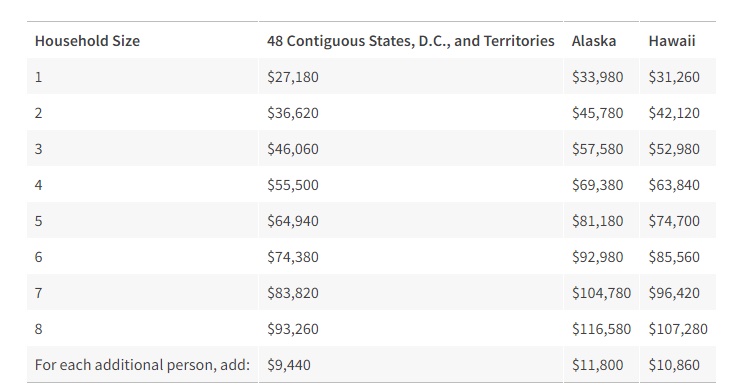
In 2021, the US Congress passed the $1.2 trillion Infrastructure Investment and Jobs Act, also known as the Bipartisan Infrastructure Deal. It was a massive, ambitious piece of legislation that aimed to shore up a variety of floundering industries, including transit networks, energy systems, and public utilities. The ACP was part of that deal. It set aside $14.2 billion to fund credits that could help low-income households afford high-speed internet. If a family’s household income was below 200 percent of the Federal Poverty Guideline per year, they were eligible for a $30 monthly credit on their broadband bill. People living on Tribal lands were eligible to receive up to $75.
To what’s happens next…
Unfortunately, any of the families who have been getting the ACP benefit will have to start paying full price for their internet connections—provided they’re able to afford it. If a household’s income is below 200 percent of the federal poverty line, or if the household claims other government benefits like SNAP, Medicaid, or Social Security, there’s a way to get a similar reduction in internet cost, albeit a much smaller one. The Universal Service Administrative Company offers a service called Lifeline, which can pay up to $9.25 per month for a connection (and up to $34.25 per month for anyone living on qualifying Tribal lands).